



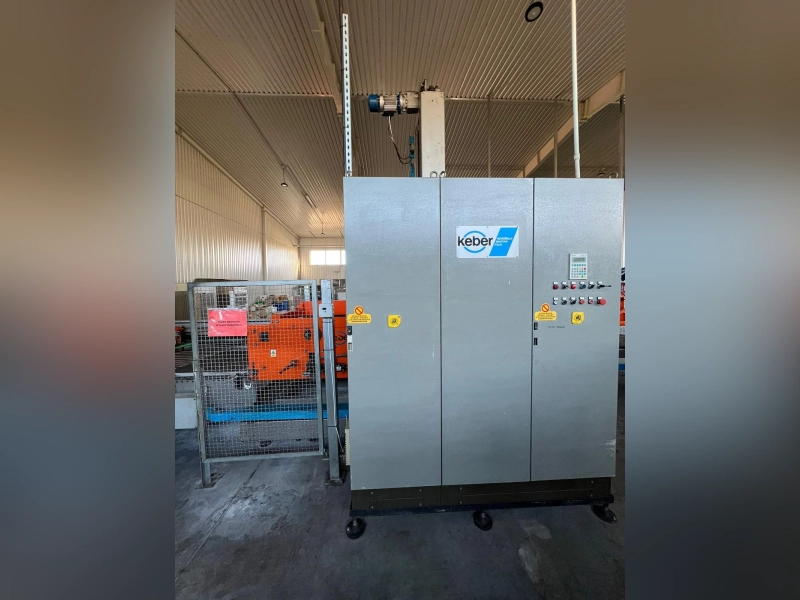
Complete Bottling Line
Ref: LC588Complete Universal CSD Can Filling Plant for 3 can sizes 14,000 CPH
Details
Description
Complete Canning Line for 3 Can Sizes – Overview
This used complete canning line is engineered for efficient beverage production and industrial packaging across three aluminum can formats. Designed as a universal canning solution, it achieves up to 14,000 cans per hour depending on the container size and product. The line integrates process utilities, product preparation, filling, capping, pasteurization, inspection, printing, packaging, palletizing, and conveying systems, providing a turnkey pathway for beverage production and second hand bottling line installations. Key component brands include Viessmann, Kaeser, Nagema, Ortmann Herbst, Angelus, Ferrum, Hermis, Stratec, Victor, Kisters, SMI, Keber, and Sita. Configured for 250 ml, 330 ml, and 500 ml cans, it offers robust performance for modern beverage operations.
Technical Specifications & Performance Data
- Production speed: up to 14,000 cph (can size dependent; line range 10,000–14,000 cph)
- Container types: Aluminum cans
- Compatible formats: 0.25L, 0.33L, 0.5L
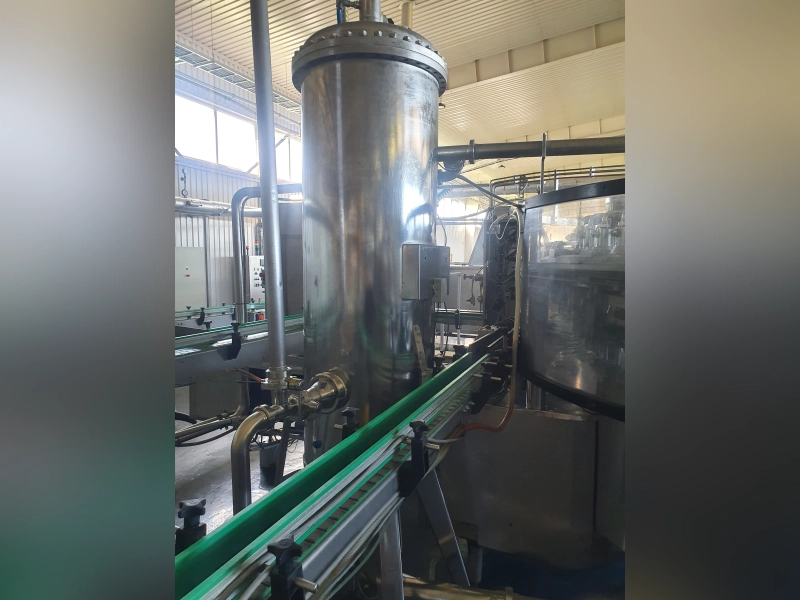
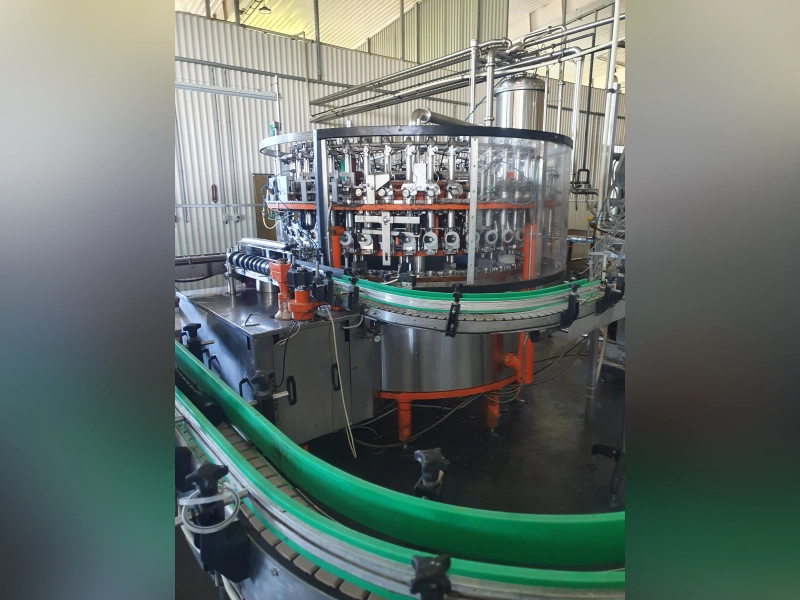
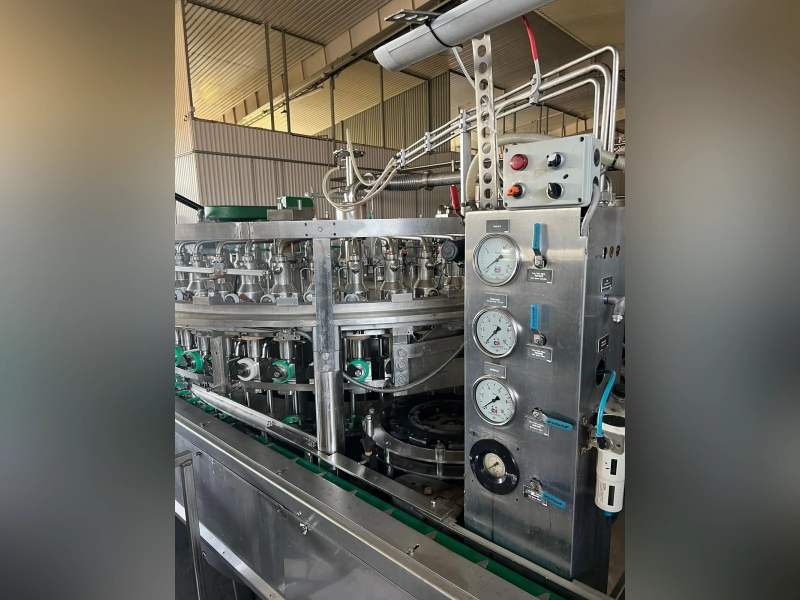
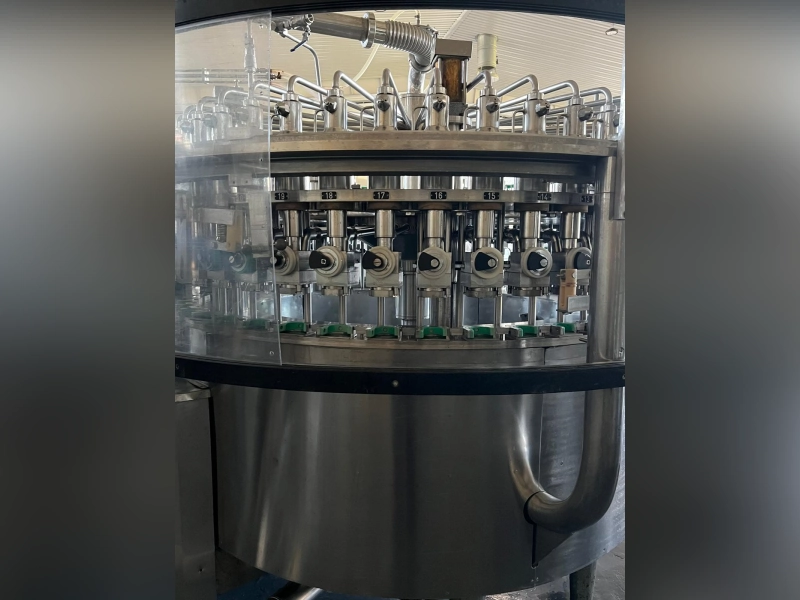
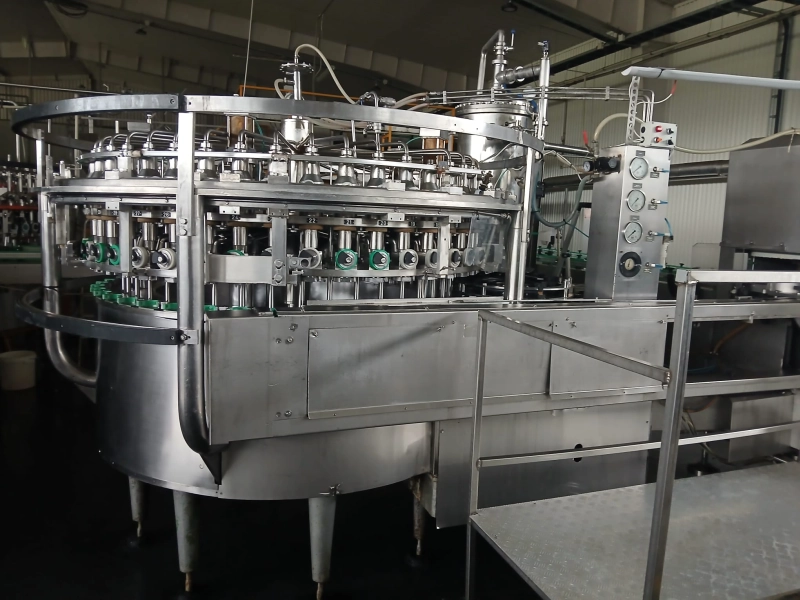
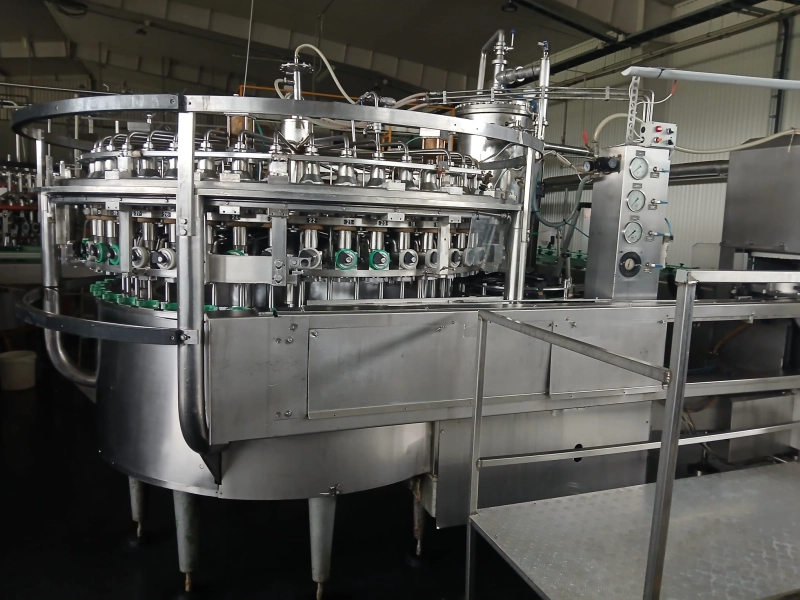
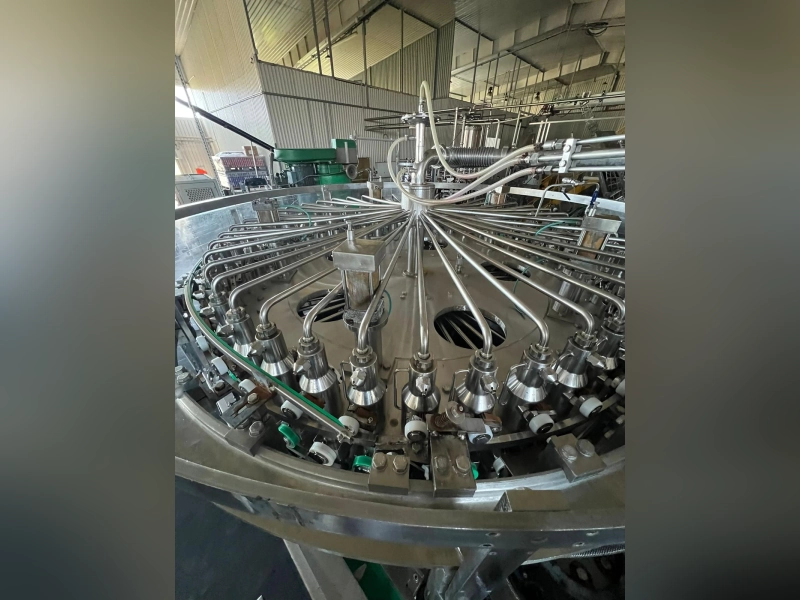
- Filler 1: Ortmann Herbst 45/6, 1984; 330 ml at 12,000 cph; 10,000 ml at 8,000 cph; service repairs in 2012
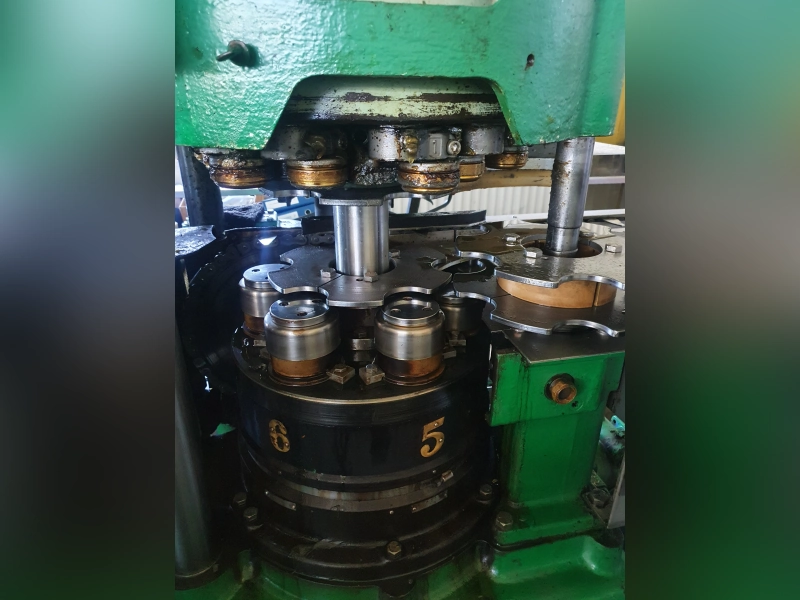
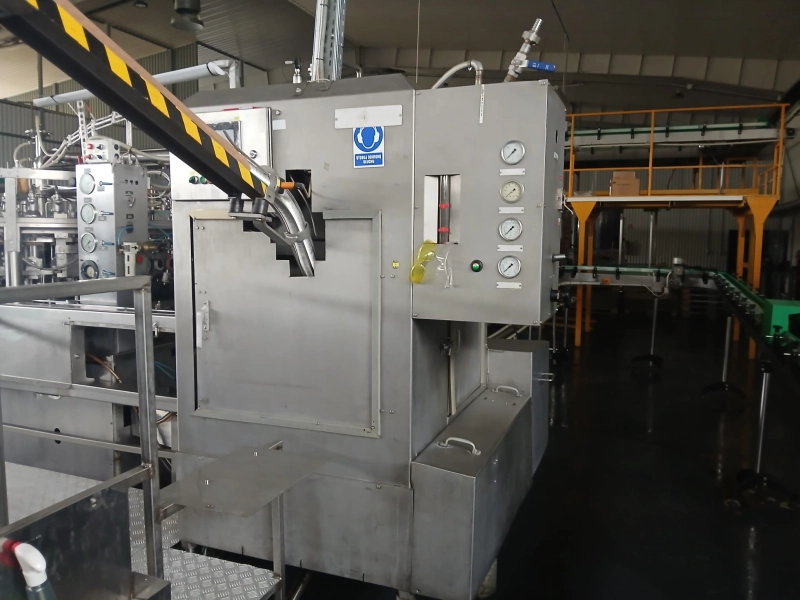
- Seamer 1: Angelus, 1980
- Filler 2: Ortmann Herbst, 1980; 250 ml at 14,000 cph; upgraded to Slim 250 ml in 2011
- Seamer 2: Ferrum 706, 1982
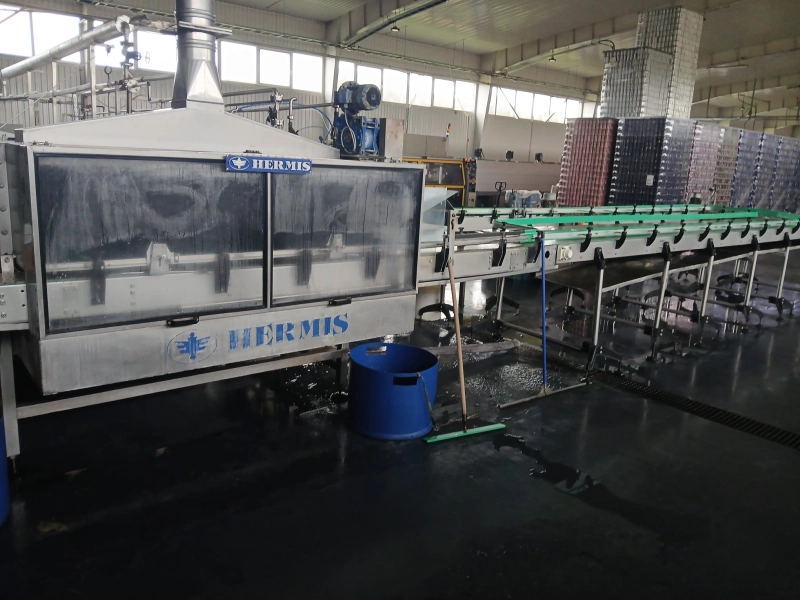
- Tunnel pasteurizer: Hermis, 2015
- Fill level inspector: Stratec, 2000
- Can printer: Victor, 2020
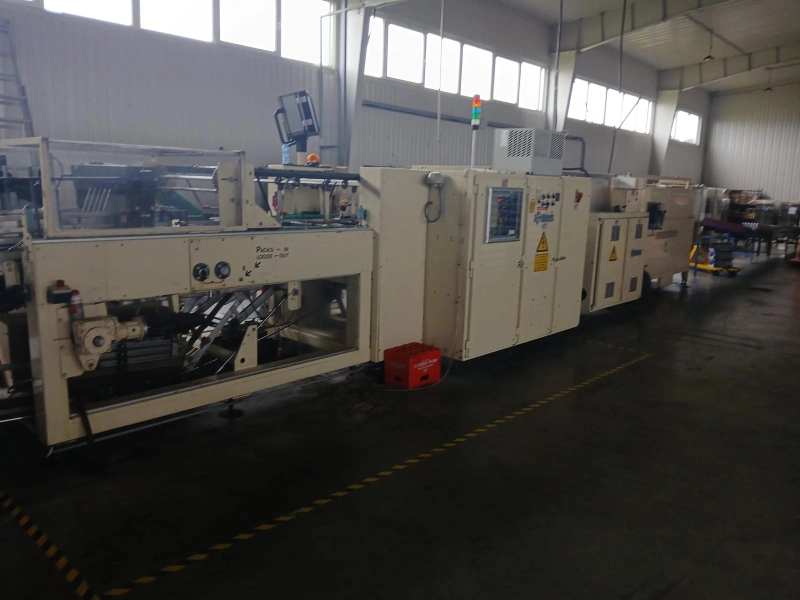
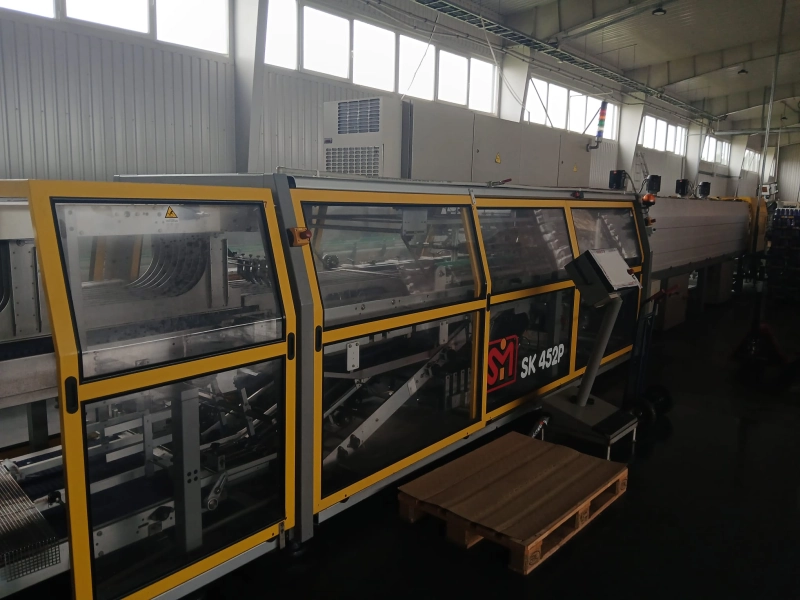
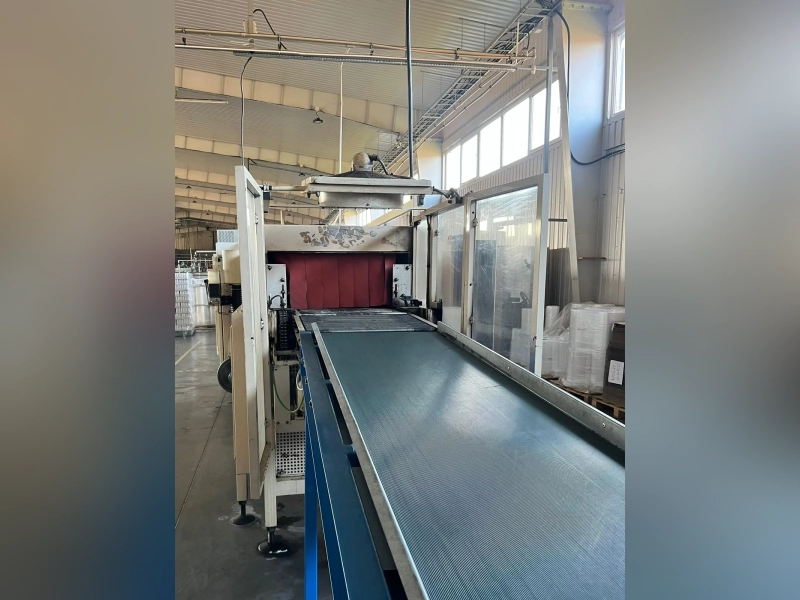
- Packaging: Kisters packaging machine, 1993; SMI multipack machine, 2004
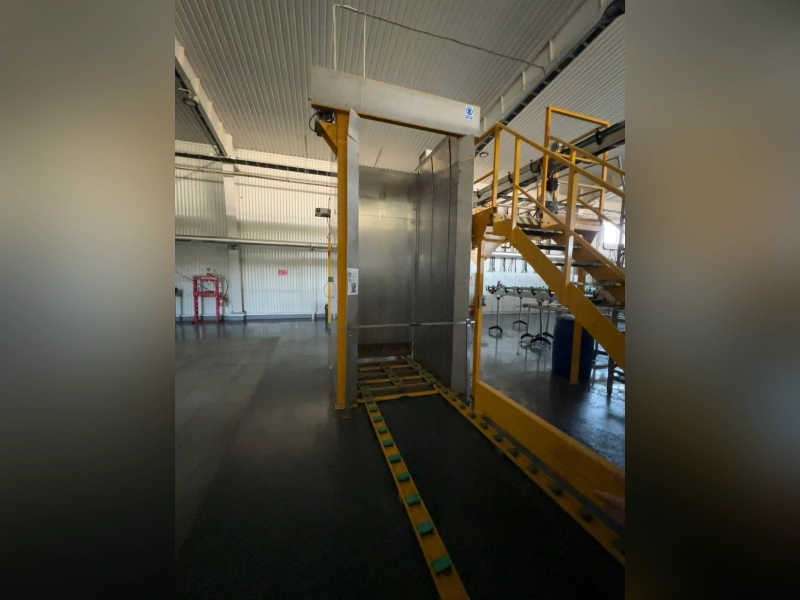
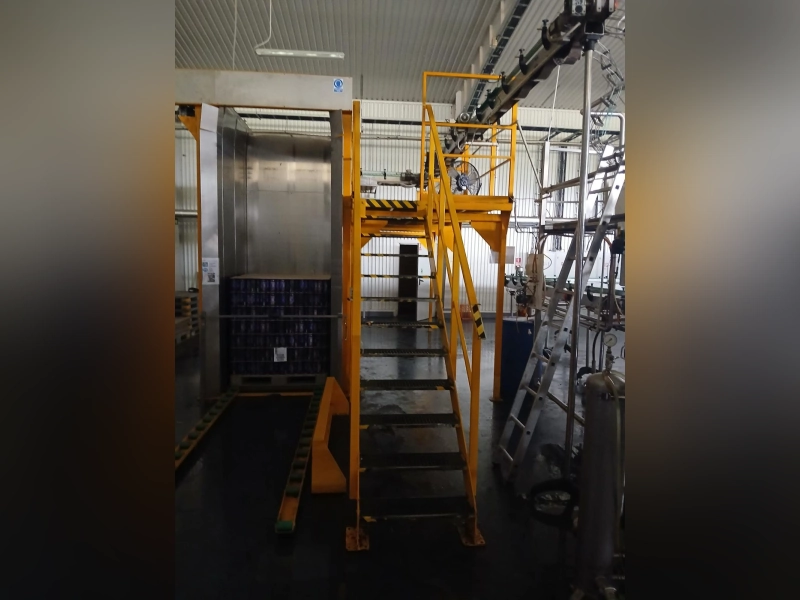
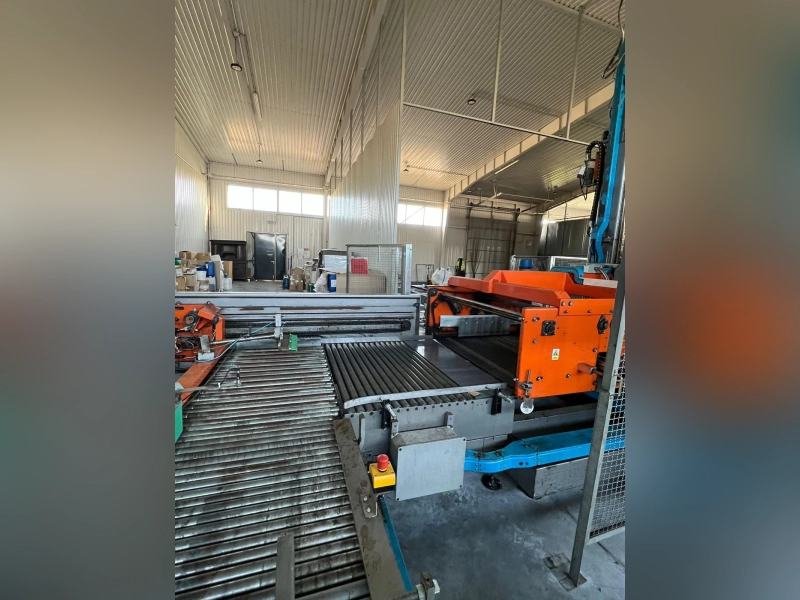
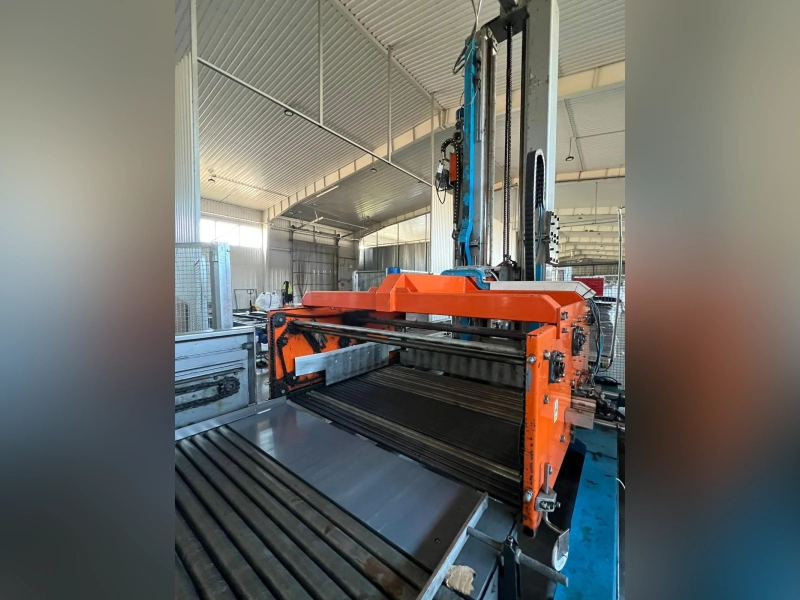
- Palletizing: Keber palletizer, 1997; Sita pallet wrapper, 2011
- Depalletizing: Frezart can depalletizer, 2009 (start 2011)
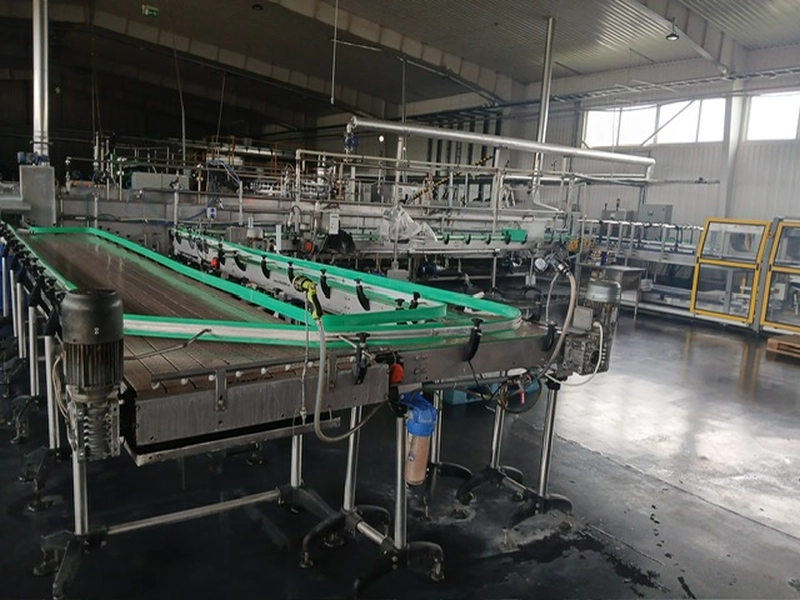
- Conveyors: Integrated conveyor system with two can turntables, 2011
- Can washers: Two units adapted to 250 ml, 330 ml, 500 ml, 2011
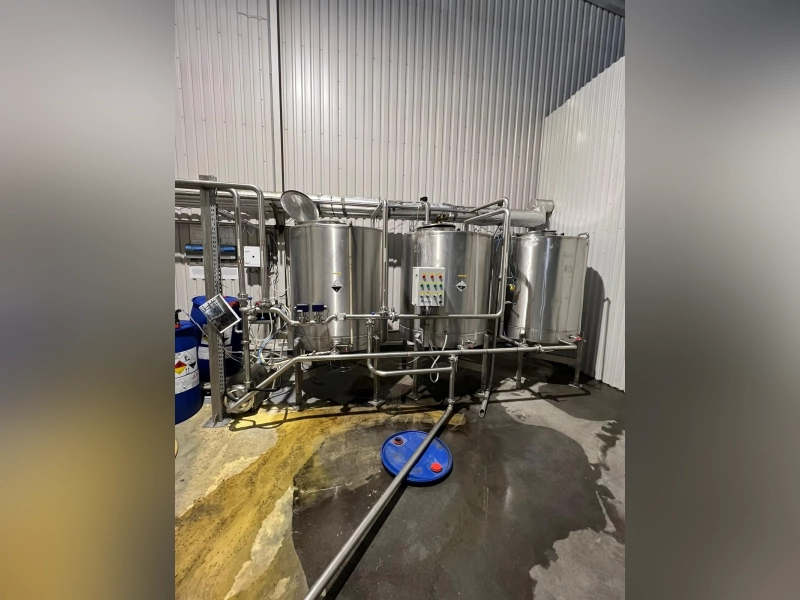
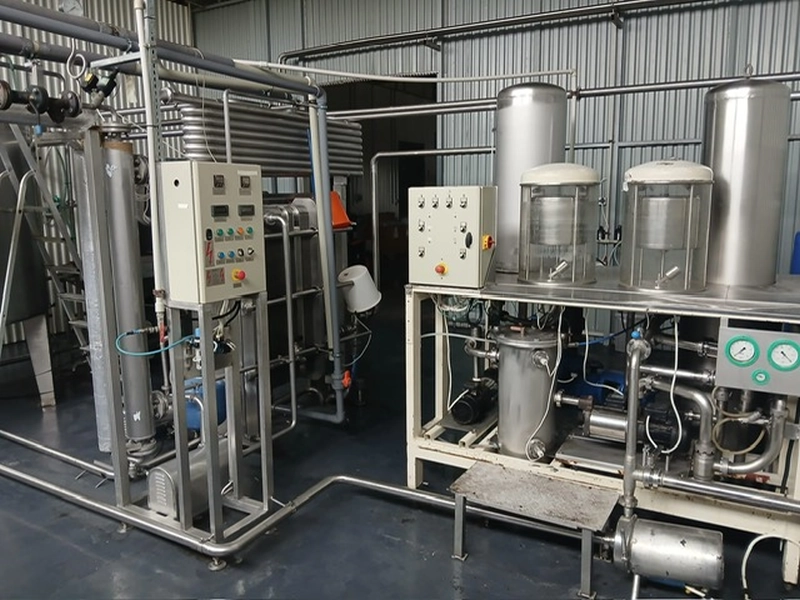
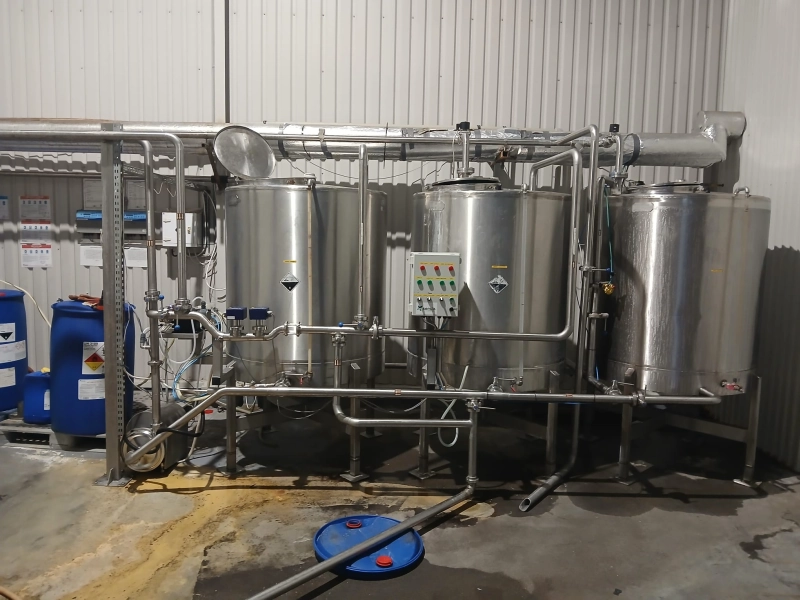
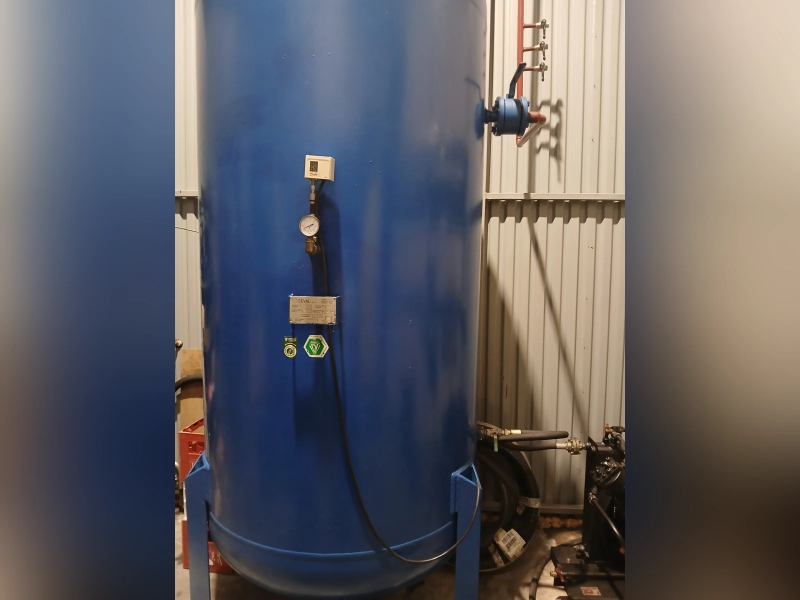
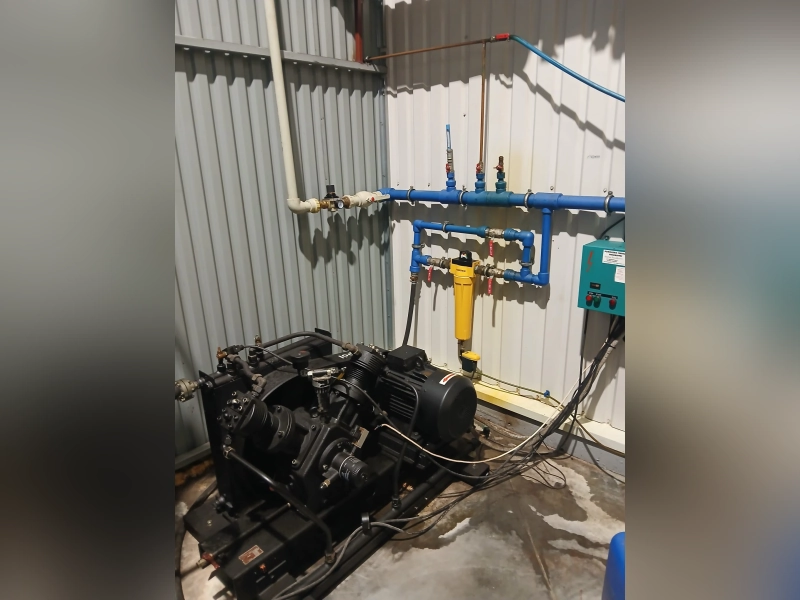
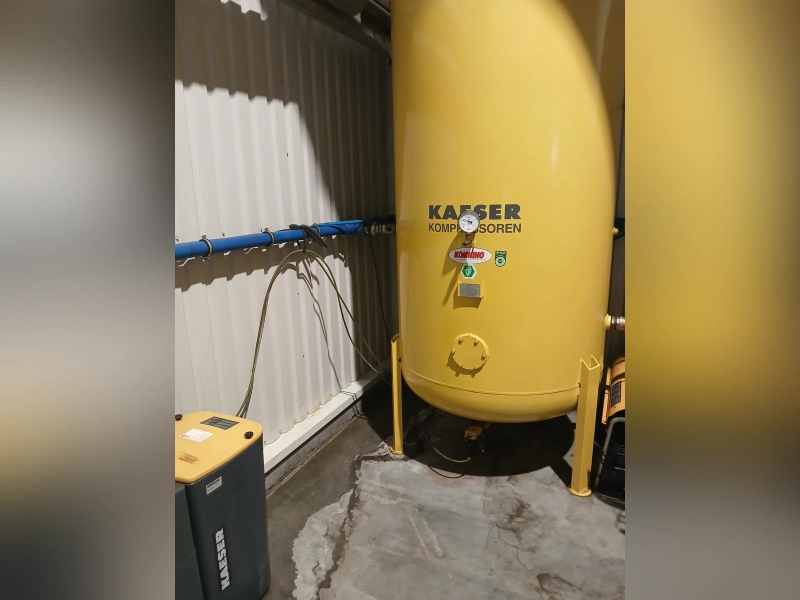
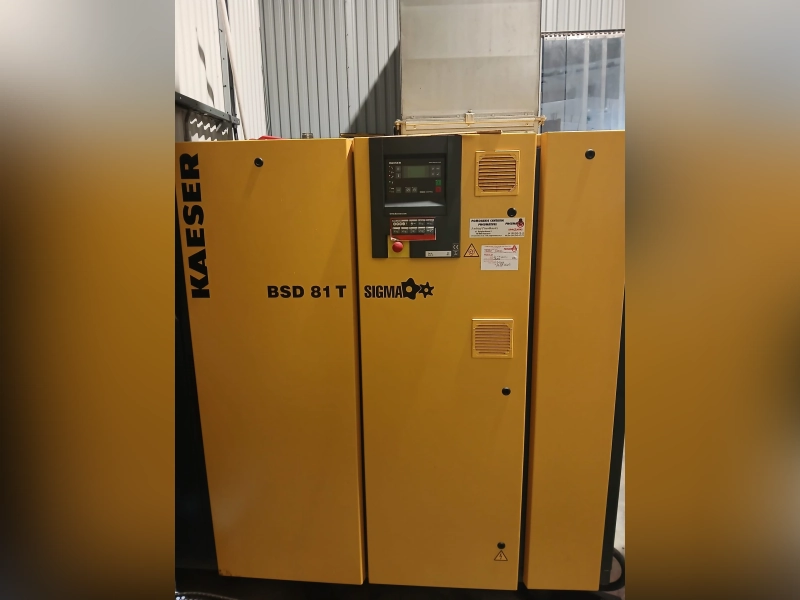
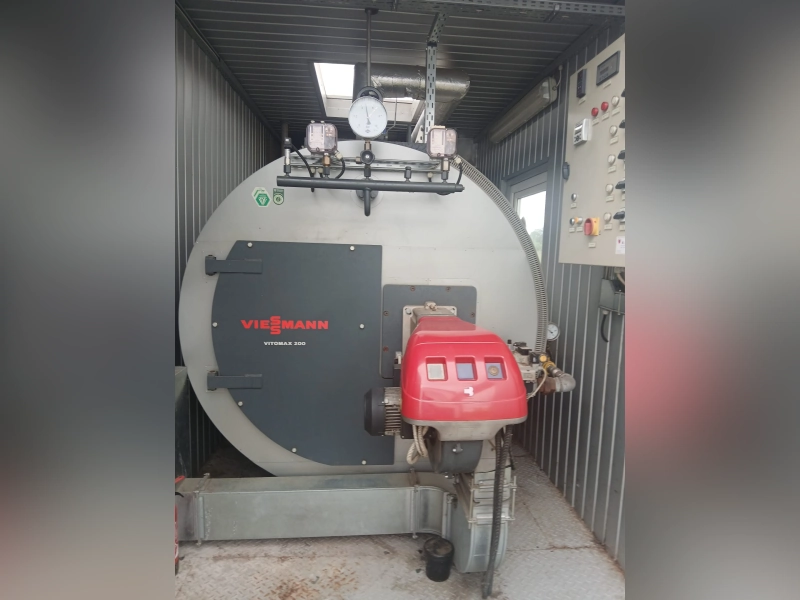
- Utilities & process: Viessmann Vitomax 200 Hb boiler (2008, start 2015); Kaeser compressor with booster and two air tanks (2010, start 2011); CIP station with three tanks, 2011; Syrup room with cooling system and Nagema mixer, 2011
- Storage: Five 100 hL ready drink tanks, steel with food-grade lining
Advanced Automation & Control Systems
The line architecture supports coordinated operation from depalletizing through palletizing, enabling stable throughput within the 10,000–14,000 cph range. Integrated inspection and printing ensure in-line quality control and traceability. Safety interlocks and guarding are present across critical stations such as filling, capping, pasteurization, packaging, and pallet handling. Format change components are configured for three can sizes to reduce changeover time and maintain consistent production quality.
Production Line Integration Capabilities
This complete production line is designed for inline operation, combining processing, filling, and end-of-line packaging in a unified flow. The conveyor system links all equipment, including two can turntables for routing and accumulation. The configuration accommodates quick format changes between 0.25L, 0.33L, and 0.5L cans. Additional shrink label capability for blank cans enhances product presentation flexibility, while multipack and packaging machines support varied retail formats.
Machine Condition & Maintenance History
The line is offered as a second hand, used bottling line with a documented service intervention on the Ortmann Herbst 45/6 filler in 2012. Several items include commissioning notes (e.g., depalletizer start 2011, boiler start 2015, compressor system start 2011), reflecting prior industrial operation. Overall, the equipment presents a complete and coherent solution for beverage production with established brands across each process step.
Operational Performance & Versatility
Configured for three aluminum can sizes, the line provides robust can handling, precise filling, reliable capping with Angelus and Ferrum technology, and thermal processing via a Hermis tunnel pasteurizer. Inline quality control is performed by a Stratec fill level inspector, while a Victor can printer handles coding. A dedicated line for shrinking sleeve labels on blank cans expands product branding options. Downstream, Kisters packaging and SMI multipack equipment manage unitization before palletizing and wrapping.
Installation Requirements & Site Preparation
The process utility set includes a steam boiler and a compressed air system with booster and reservoirs, supporting pasteurization, pneumatic actuation, and CIP operations. The CIP station with three tanks and the syrup room with cooling and mixing enable hygienic beverage preparation. Site preparation should consider linear layout for conveyors, access for maintenance, drainage for CIP and washdown, and utility connections for steam, compressed air, and process water.
Safety Standards & Compliance Certification
Safety guarding, emergency stops, and interlocked access points are integrated across the line’s primary modules, supporting safe operation in beverage packaging environments. Hygienic design elements such as stainless or food-grade lined tanks and CIP capability contribute to food and beverage safety practices. The system’s component brands are known within industrial packaging and beverage production, facilitating compliance alignment and operator training.